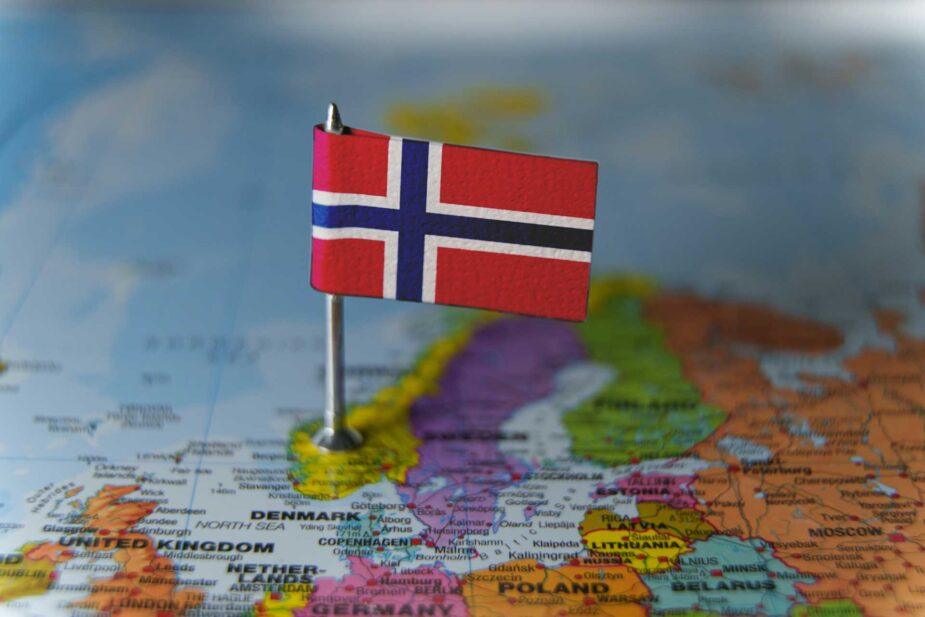
Permanent residence in Norway is a status that allows foreigners to live and work in the Kingdom without time restrictions. Compared with holders of temporary residence permits, permanent residents have more rights and opportunities, including additional protection against deportation. Permanent residence also allows access to all social benefits and the ability to build a career without being tied to a specific employer, as well as access to free education and high-quality healthcare. Another important advantage of immigration to Norway is the freedom to travel across European Union countries.
Permanent residence can be obtained after living in the country for at least 3 years and meeting a number of conditions, including knowledge of the national language, financial self-sufficiency, and the absence of legal problems. In addition, permanent status opens the way to citizenship, which is extremely important for those who have moved their center of vital interests to this unique Scandinavian country. Below, you will learn about the procedure and options for moving to Norway for permanent residence. We will also discuss the specifics of life in the land of the northern lights and popular destinations for immigration.
Why Everyone Is Moving to Norway
Moving to Norway appeals to those who want to immigrate to a safe country with a high standard of living (10th place in the world) and a well-developed social security system. Permanent residents of the Kingdom have access to modern medical services, prestigious education, and numerous state support programs, including pensions and unemployment benefits. An important part of local policy is an inclusive approach to social rights — regardless of income and origin, all residents of the Kingdom have equal opportunities for a comfortable and stable life.
If you decide to emigrate from your country to Norway, you will be able to use various integration programs, including the right to attend free language courses. However, when planning to settle in the country, you should take into account both its advantages and disadvantages. Reviews from immigrants who have moved to Norway indicate that the main drawbacks of the Kingdom are the high cost of living and high taxes. The cool climate of the Scandinavian country and short daylight hours can also be challenging. In addition, obtaining permanent residence and successfully integrating into society will require learning Norwegian, which takes time and effort.
For those who are ready to adapt and face certain difficulties, Norway offers unique prospects for a stable and comfortable life. If you are unsure which program or country to choose for relocation, we recommend contacting migration specialists. They will offer the optimal immigration option in the shortest possible time and at minimal cost. Book a free consultation to learn more about current programs for obtaining official status abroad.

Individual selection of immigration program
Get more information about the peculiarities of immigration to the EU at a free consultation

Main Ways to Immigrate to Norway
You can move to Norway on various grounds, but not all of them allow you to subsequently qualify for permanent residence and citizenship. For example, staying in the country for seasonal employment does not count toward the period of residence required for permanent status. In addition, such a residence permit is issued for a maximum of six months, and a new permit can only be requested after spending 6 months outside the country. The grounds that allow you to move to Norway for permanent residence include the following:
- Study.
To study, undertake an internship, or conduct research in Norway, you will need to obtain the appropriate permit. A residence permit can be obtained on the basis of enrollment in an accredited institution or a relevant invitation. You must also have EUR 1,400 per month for your own support and a place to live in Norway, as well as pay the applicable fees, including EUR 498 for the issuance of a residence permit (the fee for minors is EUR 249). After completing your studies, you may remain in the Kingdom for another year to look for work and obtain a new permit for employment purposes, which will allow you to qualify for permanent residence. - Family Reunification.
Spouses, partners, minor children, and other relatives (in certain situations) may join a Norwegian citizen or resident living in the country. The sponsor must have sufficient and stable income (from EUR 38,480 per year), suitable housing, and a valid residence permit. The administrative fee is EUR 1,099 for adults and EUR 550 for children; renewal costs EUR 406 and EUR 203 respectively. The validity period of the permit depends on the sponsor’s status — it may be issued for up to 5 years with the right to renew and gives the holder the opportunity to qualify for permanent residence. - Business Immigration.
To move to Norway to conduct business, you must obtain a residence permit for self-employment, which involves a fee of EUR 582 (the same amount applies to renewal). Depending on the type of business activity, a permit issued by the Norwegian authorities may be required. You will also need to provide a business plan and proof of education and/or professional experience. Entrepreneurs receive a residence permit valid for one year, which can subsequently be renewed. After 3 years of residence in Norway, it is possible to apply for permanent residence. - Employment.
To work in the country, before relocating you must conclude an employment contract with a Norwegian employer that guarantees sufficient salary and full-time employment. The list of documents depends on the type of permit. For example, a diploma or proof of work experience may be required. The cost of obtaining and renewing a residence permit is EUR 582. The initial permit is issued for one year, with the right to renew and the possibility of later obtaining permanent residence. - Humanitarian Grounds.
People who have a well-founded fear of persecution in their home country may receive protection or asylum in Norway. After registering the application at the National Arrival Centre, the case will be considered by the police for at least 4 months. If the application is approved, the refugee receives a residence permit with the right to work. All costs related to document processing and accommodation are covered by the state. Permanent status can be obtained after 5 years of residence in Norway.
Requirements for Obtaining Permanent Residence in Norway
To move to Norway for permanent residence, you must first determine the most suitable emigration program from your country. Foreigners from countries outside the EU or EEA are required to first obtain a temporary residence permit that allows them to stay in the Kingdom for more than 90 days. You will also need to obtain a long-term visa that allows you to cross the Norwegian border and confirm your residence permit at the local police station. After 3 or 5 years of residence in the country and compliance with the established immigration requirements, you may qualify for permanent residence.
Conditions for Obtaining Permanent Residence
The requirements for those who decide to move to Norway for permanent residence depend on the applicant’s age, citizenship, income level, and the type of residence permit that allows them to stay legally in the country. The standard conditions for permanent residence include:
- a valid residence permit;
- payment of the administrative fee;
- continuous residence in Norway for the last 3 or 5 years, depending on the applicant category;
- a stable income (from business, pension, childcare benefit, or another source) for the year preceding the application;
- the absence of serious legal problems;
- completion of social studies and Norwegian language training, or documentary proof of exemption from this requirement.
Submit an application form and we'll get back to you!
Documents for Relocation
To move to Norway, you need to prepare a dossier confirming that the applicant meets the requirements for permanent residence. The mandatory documents include:
- application;
- passport or another identity document;
- information about trips abroad during the last 3 years;
- proof of income (for example, an employment contract or bank statements);
- results of completed Norwegian language testing;
- receipt confirming payment of the administrative fee;
- certificate of no criminal record.
A marriage or partnership certificate, a diploma, or other information may also be required depending on the situation. If you cannot provide all documents, you will need to explain in writing why they are unavailable. The full list of dossier contents will be provided on the UDI website in the form of a checklist. Documents issued by foreign authorities must be translated into English or Norwegian, and both originals and copies must be provided.
Financial Aspects of Immigration
Before moving to Norway, it is worth considering that the country is currently one of the most expensive in Europe. Living in the Kingdom requires an average of EUR 1,230 per month per person. Rent for a one-bedroom apartment will cost EUR 950 or more. This is precisely why the state imposes strict requirements regarding the financial self-sufficiency of immigrants who plan to live there.
The minimum income varies depending on the applicant category. For example, university students must have at least EUR 1,400 per month at their disposal, while obtaining a residence permit for job searching requires EUR 2,500.
When considering the main expenses, administrative costs for obtaining permanent residence should also be taken into account. The visa fee is EUR 95, obtaining a residence permit costs from EUR 570, and its renewal costs the same amount. In addition, EUR 28 should be added for the residence card and EUR 368 for permanent residence status. You should also not forget the cost of translating and legalizing documents (the price varies depending on the country), travel expenses to Norway, and other related costs.
Process of Obtaining Norwegian Permanent Residence
In most cases, the path to permanent residence in Norway takes at least 3 years, while some relocation programs, for example refugee status, require five years of residence in the country. The standard process of obtaining permanent residence consists of the following stages:
- Obtaining a Residence Permit.
After choosing a way to move to Norway, you must collect documents confirming the immigration basis and register an online application for a residence permit on the website of the Norwegian Directorate of Immigration (UDI). After paying the fee and receiving preliminary approval, you must submit the application in person at a Norwegian consulate and provide biometric data (photo and fingerprints). The average processing time is 4 months. Upon arrival in the country, the residence permit must be confirmed at the police station at your place of residence. The permit is valid for up to 5 years. - Renewal of the Residence Permit.
No later than one month before the expiry of the current residence permit, a new permit must be obtained. The application is submitted to the police station at the place of residence. The new document can be obtained under the same conditions as the initial residence permit. - Applying for Permanent Residence.
After living in the country for at least 3 years, you can obtain permanent residence. The application is submitted to the police with payment of the administrative fee (EUR 368). The processing time depends on the district and the workload of the competent authorities; on average, it is 16 weeks. Permanent residence is valid indefinitely, but the document itself must be renewed every 10 years. It should be taken into account that permanent residence is lost if you spend 2 years abroad without valid reasons (military service, education, work).
Each stage leading to permanent residence requires careful preparation and specialized knowledge of immigration law, so it is worth using professional assistance in relocation and planning. Our company’s specialists will efficiently organize the process of obtaining status by selecting the optimal program and, if necessary, the country. Support from international law specialists will help determine the shortest route to residence in a European country. Submit a request for a free consultation to receive an individual relocation solution.
Learn more about the chances for fast, easy and guaranteed obtainment of second citizenship
Submit an application form and we'll get back to you!
Life in Norway After Obtaining Permanent Residence
The main advantage of moving to Norway for permanent residence is the ability to live in the country indefinitely without the need to renew permits. Permanent resident status also provides access to a broader range of rights compared with the opportunities available to holders of temporary residence permits or visitor visas. Permanent residents must comply with the laws of the Kingdom, pay taxes, and know the national language. You may lose the right to permanent residence if you leave the country for 2 years without notifying the authorities of a valid reason for staying abroad for an extended period.
To qualify for Norwegian citizenship, you must have lived in the Kingdom for at least 8 years (in most cases), have sufficient income, and meet other immigration requirements. Obtaining a local passport opens up even more opportunities, including protection from deportation, as well as the right to vote in elections and stand as a candidate.
Main Destinations for Relocation
After deciding on an immigration program and planning your move, it is worth starting by choosing a place to live in Norway, since your comfort and successful integration largely depend on this. In addition to personal preferences, important factors include the characteristics of the local labor market and career growth prospects. It is also worth considering convenient infrastructure, educational and preschool institutions, and the presence of a diaspora. Among Norwegian cities, immigrants usually choose the following for relocation:
- Oslo.
The largest city and the capital of the country, offering broad employment opportunities, especially in finance, IT, and education. It is home to top universities included in international rankings (the University of Oslo, the Norwegian School of Sport Sciences) and offices of international companies (Apple, Telenor, DNB, Microsoft). The high cost of living is offset by decent salaries (an average of EUR 3,700 per month). - Bergen.
A major center of the oil and gas and maritime industries, attracting immigrants with a developed labor market. In particular, Bergen is home to the headquarters of Equinor, the country’s largest energy company. The maritime transport sector is represented by companies such as DOF Group and GC Rieber Shipping. Many students and researchers also come to the city because the Norwegian School of Economics and the University of Bergen are located there. The average salary in 2026 is EUR 3,700 per month. - Trondheim (Central Norway).
The country’s largest technology and student center, distinguished by a high level of safety, as crimes are extremely rare and residents have confidence in the police. Trondheim is home to many companies, including Norwegian Seafood Company AS, ARM Norway, SINTEF, and others. Several prestigious universities are also located here, for example the Norwegian University of Science and Technology. The average salary in the city is almost at the level of the capital (EUR 3,740 per month). - Tromsø (Northern Norway).
An Arctic city located above the Arctic Circle, offering migrants a combination of unique natural landscapes and vibrant social and cultural life. It is home to the University of Tromsø, known for its research in biology and medicine, and numerous major companies operate here (Hurtigruten, Norges Råfisklag, SpareBank 1 Nord-Norge, and others). A small Russian-speaking diaspora lives in the city. The average salary in Tromsø is EUR 3,089 per month.
Risks of Illegal Residence
Emigration from your country and relocation to Norway for permanent residence are possible only in compliance with immigration law. Illegal residence in the country entails serious risks — it can lead to deportation, fines, and even imprisonment. If a person stays in Norway without the appropriate permit, they are deprived of social support, cannot work, and cannot use medical services (except in emergencies). Foreigners who violate the law are deported with a subsequent ban on entry into the country or all Schengen Area states.
The most common reasons for refusal to issue or renew a residence permit are the provision of false or outdated information and non-compliance with immigration rules (for example, insufficient income). You will also not be able to obtain permanent residence without knowledge of the language and a registered residential address in the country. In addition, refusal is possible if the applicant has a criminal record or poses a threat to national security. This is why moving to Norway should be carefully planned, and it is best to seek assistance from specialists when preparing an immigration plan.
Why Professional Assistance Is Important During Immigration
Immigration opens up many opportunities, but before moving to Norway for permanent residence, it is worth considering that legalizing your status involves various difficulties. For a successful result, it is important to choose the right relocation program, study current legislation, and understand the legal nuances. Assistance from international law specialists significantly simplifies this process, allowing you to obtain the desired status in the shortest possible time. Lawyers can also offer an affordable option for obtaining EU citizenship, which provides more privileges than permanent residence in Norway.
Participation in a simplified immigration program with professional support is the optimal option for obtaining a European passport within 12 months. By contrast, the path to Norwegian citizenship through naturalization takes at least 8 years. After obtaining an EU passport, you will be able to choose any EU country for residence without the restrictions imposed by permanent residence. You can receive an individual immigration strategy by booking a consultation with specialists.
About the author

Diane Weber is an international law specialist with 10 years of legal practice experience. Her portfolio includes successful stories of citizenship in different European Union countries under simplified procedures. Diana provides detailed advice and helps many people to achieve their immigration goals in a short period of time, including resolving visa issues, assisting in obtaining residence permits and citizenship in the EU countries. In her blog, Diana Weber enjoys providing readers with detailed information about the features of most popular programs for obtaining a second passport.
No comments